Opening Range Width Thresholds
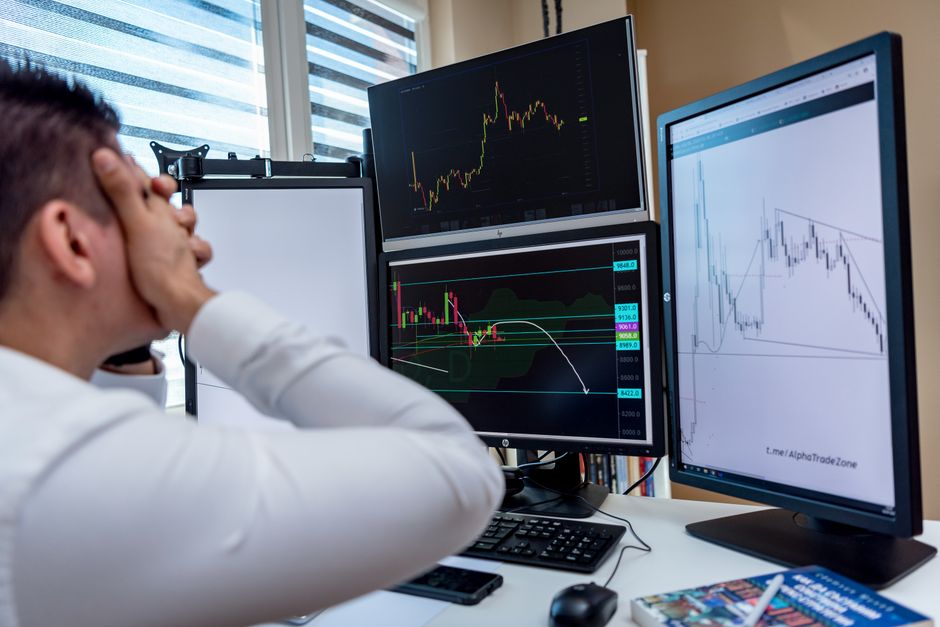
The screech of metal on metal during the opening bell often signals a period of high volatility that lacks direction. Every teardown orb trading stats tree63 has logged shows the same thing regarding the relationship between volatility and successful entries. Identifying the correct opening range width prevents entering trades during noise periods where price action churns without a clear breakout. Analyzing the orb through various statistics reveals that narrow ranges often lead to false signals while overly wide ranges suggest the move has already occurred.
Equities and High Beta Volatility

Standard equities require specific thresholds to filter out intraday noise. A five minute range that exceeds two percent of the asset price usually indicates an exhausted move rather than a sustainable trend. In these instances, the initial momentum is often a reaction to premarket data rather than a structural shift in price. Observing the fifteen minute range provides a more stable baseline for high beta stocks. If the width of this period exceeds the average daily true range, the probability of a successful opening range breakout drops significantly. Mechanical filters must be applied to ensure the price is not merely oscillating within a bloated initial candle.
Forex and Tight Spread Dynamics

Currency pairs operate on different scales of liquidity. Because spreads are tighter, a 5 minute period can appear significant when it lacks actual volume. For major pairs, a thirty minute range that stays within ten pips often indicates a consolidation phase rather than a breakout. Traders look for a expansion in the timeframe to confirm direction. A breakout that occurs within the first fifteen minutes of the London or New York session requires a wider percentage buffer to be valid. Without this buffer, the trade often becomes a scalp rather than a trend following position.
Commodities and Trend Strength
Crude oil and gold exhibit much larger swings during the market open. A sixty minute range in these assets can be massive, yet a tight 30 minute range often precedes a major trend. The data suggests that a large opening range in commodities often leads to mean reversion toward the session high or low. To avoid being caught in a whip saw, the width of the first hour must be compared against the average volatility of the previous overnight session. If the range is twice the standard deviation, the edge is lost to volatility expansion.
Index Volatility and Mean Reversion
Indices like the S&P 500 require a strict adherence to width thresholds. A narrow 15 minute range often sets the stage for a directional move, but a wide range at the cash open suggests a lack of institutional conviction. Measuring the width of the opening range against the prior day's close helps determine if the move is an extension or a reversal. If the range is too wide, the risk to reward ratio becomes unfavorable for any long or short position taken during the regular trading hours.